Thank you for sending your enquiry! One of our team members will contact you shortly.
Thank you for sending your booking! One of our team members will contact you shortly.
Course Outline
Introduction
- The need for LPWA (Low Power Wide Area).
- Low power consumption, deep coverage, massive connectivity, easy deployment, network security and reliability, and lower component costs.
- Comparison: NB-IoT vs. LoRaWAN vs. Sigfox.
Overview of NB-IoT Architecture
- Design, development, and deployment.
- Security based on LTE mobile networks.
NB-IoT Ecosystem and Industry Players
- Mobile operators, network infrastructure vendors, chipset suppliers, module vendors, systems integrators, etc.
- Key players such as Huawei, Ericsson, etc.
NB-IoT Applications
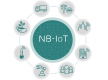
- Smart metering, smart cities, smart buildings, consumer electronics, agriculture, and environmental monitoring.
Quality of Service
- Licensed spectrum operation.
- Security and reliability.
NB-IoT Security
- User identity confidentiality, entity authentication, data integrity, and mobile device identification.
NB-IoT Chips
- LTE-M1 and NB-IoT.
- Signal processing and power efficiency.
- Huawei LiteOS for developers.
NB-IoT Connectivity Modules
- Cellular connectivity.
- Digital security.
NB-IoT Network Devices
- Efficiently locating mobile 'things'.
Hands-on: Developing a Smart Tracker
- Building a simple location-based tracker.
NB-IoT Terminals
- External NB-IoT antennas.
- Internal NB-IoT antennas.
Hands-on: Expanding the Smart Tracker
- Enabling anti-theft functionality.
NB-IoT Service Management Platforms
- Securely connecting, activating, and managing devices.
- API integration with existing systems.
Hands-on: Managing a Fleet of Smart Trackers
- Testing, deploying, and managing multiple smart trackers.
Closing Remarks
Requirements
- Understanding of IoT concepts.
- Programming experience in any language.
- General knowledge of software and network security principles.
Audience
- Developers.
- Technical Managers.
7 Hours
Testimonials (1)
The oral skills and human side of the trainer (Augustin).